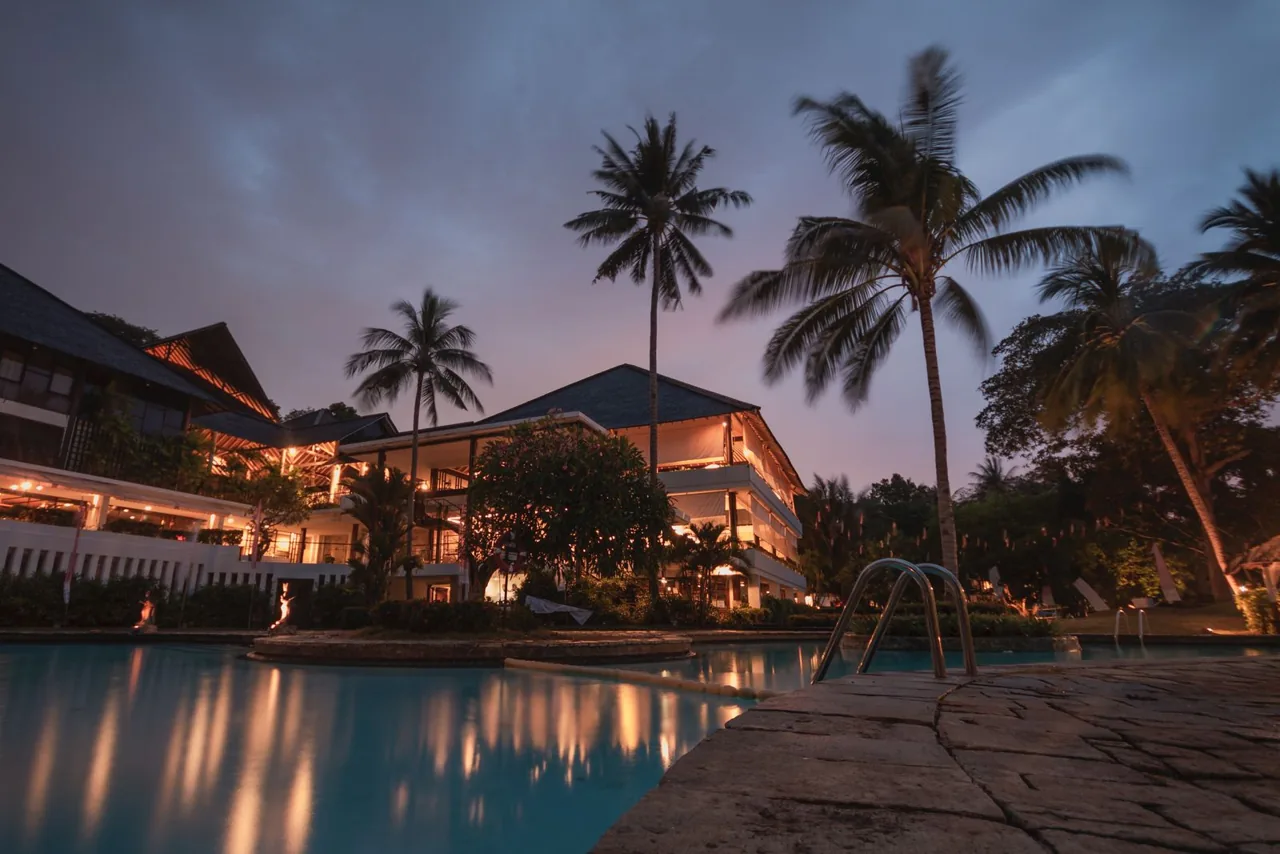
Spend enough nights in Southeast Asian villas and you start to notice which ones stay with you. It is rarely the largest or the most lavishly furnished. More often it's the villa that understood its setting — that framed the sea, the jungle or the rice fields so precisely that the architecture almost disappears. Good tropical design is less about what you add than about what you have the confidence to leave out.
Let the outside in
The defining move of the tropical villa is the dissolved wall. Sliding glass panels, pivoting timber screens and pavilions with no fourth side all serve the same purpose: erasing the boundary between the living space and the landscape. When it works, the garden becomes the wallpaper and the pool becomes the floor. The cross-ventilation that comes with it is a bonus, keeping rooms comfortable without leaning on air conditioning — which is both greener and, on a warm night, far more pleasant.
A restrained palette
The materials that age best in the tropics are the ones that already belong there — local stone, teak, bamboo, lime plaster, thatch. They weather gracefully in the humidity and they echo the colours outside, so nothing jars. The most accomplished villas keep the palette deliberately quiet: natural tones, matte finishes, a few pieces of local craft rather than a showroom of furniture. Against a backdrop of jungle green or ocean blue, that restraint reads as luxury, not minimalism for its own sake.
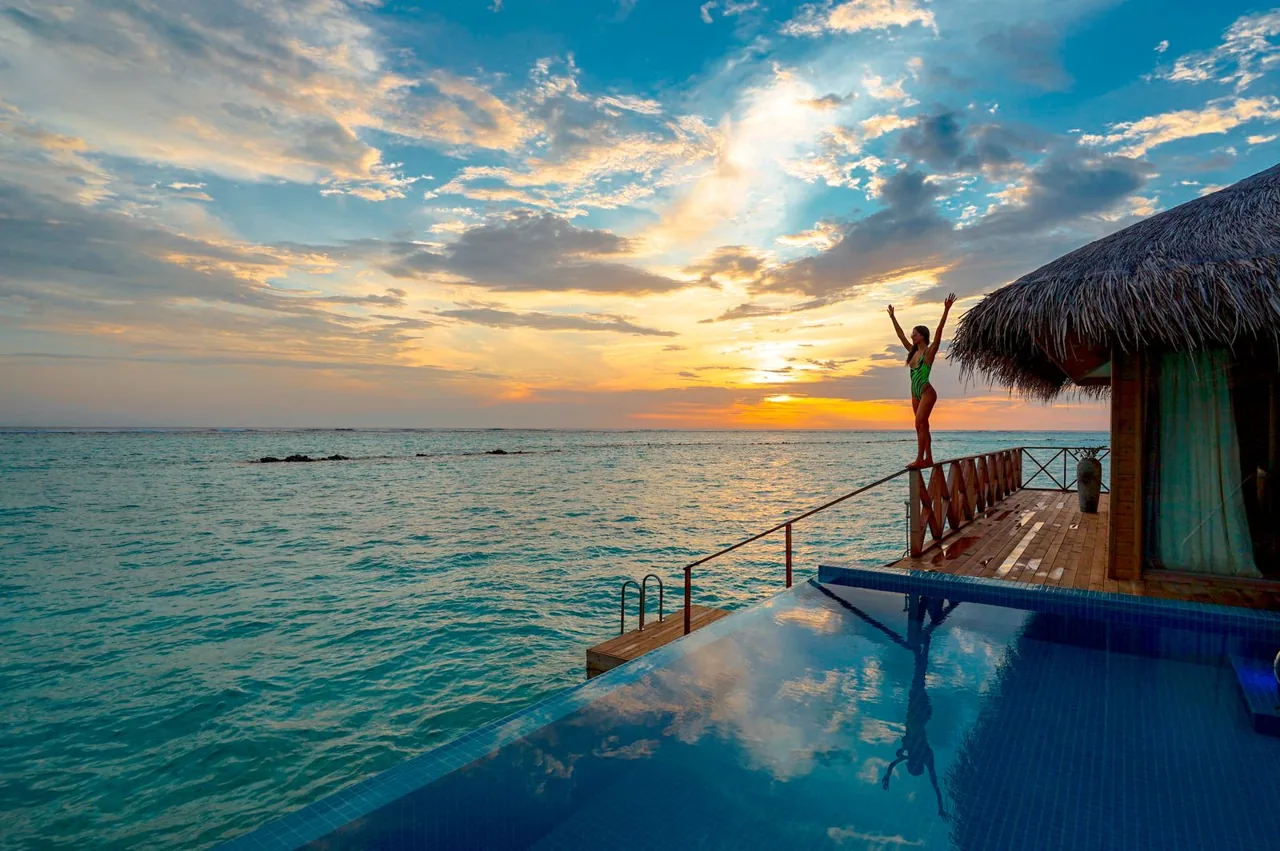
Restraint extends to the palette of colour, too. The villas that age best tend to let the landscape supply the drama — the electric blue of the pool, the deep green of the planting, the gold of a late-afternoon sky — and keep the built elements quiet enough to frame it. A single sculptural chair, a hand-thrown bowl, a length of woven cloth carry more weight in that setting than a room full of statement furniture. It's a confident kind of design, and it's why the best tropical villas feel timeless rather than of a particular year.
The details that matter
Small decisions carry a villa. Deep overhanging eaves keep the sun off the terrace and the rain out of the living room. An outdoor shower turns a mundane routine into a highlight. Thoughtful lighting — warm, low, layered — makes the evenings, and a pool positioned to catch the sunset rather than the driveway changes the whole rhythm of the day. None of these are expensive on their own, but together they're the difference between a villa you tolerate and one you never want to leave.
The final test of good villa design is how little you notice it. When the walls open the right way, the breeze finds you, the pool catches the last of the light and the materials feel cool and honest underfoot, you stop thinking about the architecture altogether and simply enjoy where you are. That quiet, almost invisible competence is the hardest thing to achieve and the surest sign of a villa designed by someone who understood the view — and had the discipline to get out of its way.